


What Is Zone 2 Cardio?
AdvertisementAdvertisement
October 13, 2025/Diet, Food & Fitness/products or services.Policy
A growing body of research shows that relatively mild “zone 2 cardio” exercise delivers significant health and fitness benefits. Bottom line? Fitness gains don’t necessarily require grueling training.
But can you truly get that much out of activities that don’t even get you out of breath? We asked exercise physiologist Christopher Travers, MS, to explain how it works.
What is zone 2 cardio?
Zone 2 training refers to moderate-intensity aerobic exercise that elevates your heart rate a wee bit. It’s the second step on a 1-to-5 heart rate zone scale, which reflects how hard your heart is working to power you through a workout.
In zone 2, your heart rate is at 60% to 70% of what your maximum heart rate could reach during an activity. (More on that later.)
“You’re not going to feel like you’re pushing it if you’re exercising in zone 2,” explains Travers. “It should feel like a comfortable workout effort and something that you can do for a longer period of time.”
Examples of zone 2 training
Any cardio activity can fall into zone 2 by adjusting your intensity level, says Travers. You can hit zone 2 through:
- Brisk walking, which usually means covering a mile on flatter terrain in 15 to 20 minutes (a stroll around the neighborhood in zone 1 won’t get the job done)
- Slow running at a pace that’s two to three minutes slower than what you would consider your “race pace”
- Cycling at a relaxed speed that you can easily maintain mile after mile
- Swimming laps at a slow-and-steady pace
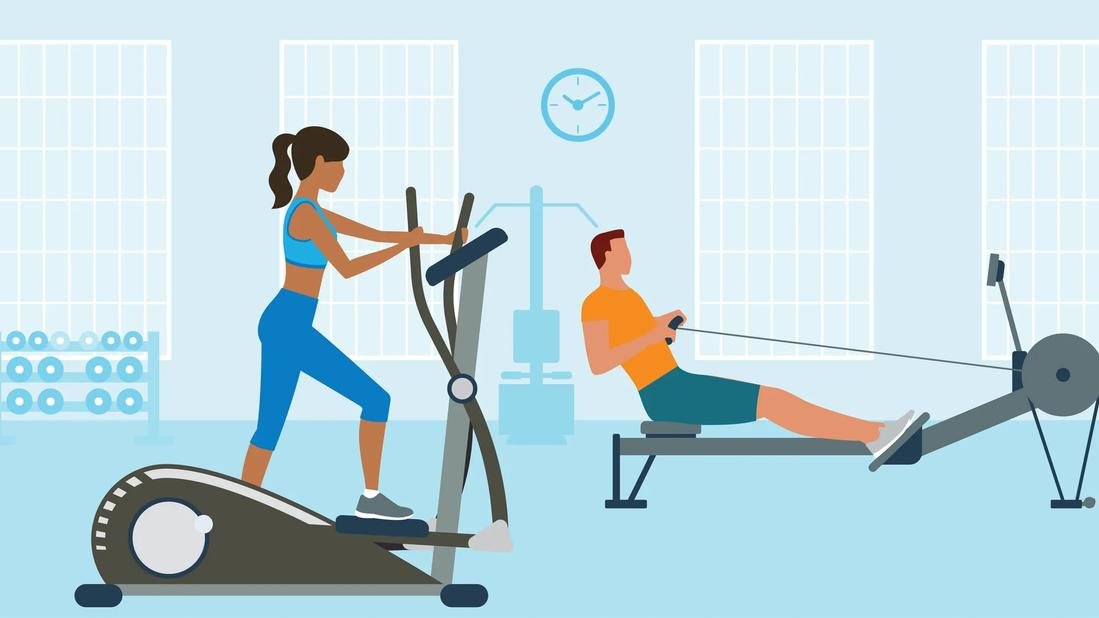
- Elliptical or rowing machine workouts
“The key is to do the activity in a controlled manner,” emphasizes Travers. “Focus on just moving — not on how fast you’re doing it.”
Zone 2 cardio benefits
Maybe it’s a byproduct of “no pain, no gain” messaging, but the concept of dialing down cardio training just feels … well, wrong. It seems odd to think that lower-intensity exercise can boost your fitness.
