


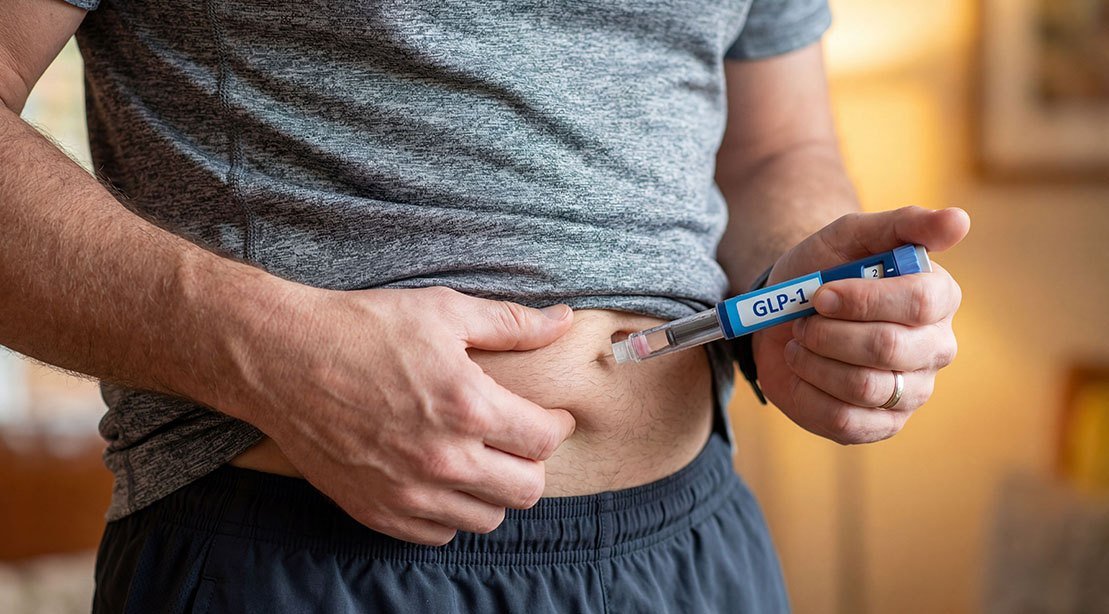
The diet and fitness industry has spent decades trying to sell people a better way to lose weight. Some trends stick around longer than others, but the pitch usually comes back to the same idea: make weight loss feel easier or find a faster route to results.
GLP-1 medications have quickly changed that conversation. They can meaningfully reduce hunger and food intake while helping people achieve levels of weight loss that have historically been difficult to reach through exercise simply because it burns calories starts to feel pretty thin. Nutrition also has a bigger job than finding another way to eat less.
Both fields still have plenty to offer. The question is whether they can make a stronger case for their value once weight loss is no longer the only thing driving the conversation.
GLP-1s probably won’t end diet or fitness trends, but they could force the industries behind them to rethink what they’re selling.
GLP-1s Changed the Weight-Loss Equation
Most diet trends have spent years trying to make one basic thing easier: eating less. Some wrap that idea in a new food list or timing strategy. Others promise better appetite control. Either way, the sale usually depends on convincing people there’s a more manageable path to weight loss.
GLP-1s complicate that pitch because they can directly affect hunger and how much someone eats. In a 2026 60-week randomized trial published in the
