

Across Asia Pacific including the Philippines, mental health and 50% for emotional health. This growing emphasis on “social wellness” suggests that healthier lifestyles are more likely to stick when they are reinforced by peer networks, shared routines and a sense of belonging.
Encouragingly, more consumers are already bringing others into their wellness journeys. In the past year, more than half of survey respondents have either prepared or brought healthier food for others, or shared their wellness journey with someone else. Among them, 92% are doing so more often than they did three years ago — a sign that a stronger culture of social wellness may be closer than we think.
Making wellness a shared journey
As consumers embrace the idea of social wellness, the focus must shift from individual effort to building environments that help healthy habits take root. Communities and support networks can play an important role in helping people turn good intentions into sustainable routines, giving them spaces to learn, connect, track progress and stay motivated over time.
To create a more supportive wellness environment, consumers need access to spaces that make healthy living feel easier to sustain — from digital fitness platforms and social media communities to “phygital” models that blend in-person and virtual wellness experiences. Through these communities, people can connect, share their progress and support one another, making wellness more social, inclusive and sustainable. Over time, this sense of connection could help translate growing wellness efforts into more tangible, real-world health outcomes.
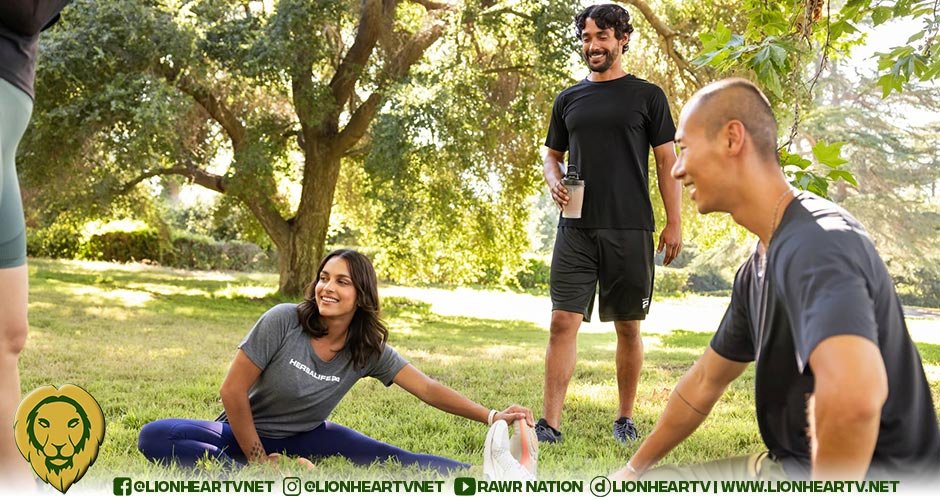
Already, the signs are encouraging. The rise of pickleball as well as the opening of various pickleball courts have gained momentum by offering highly social, small-group experiences that make wellness feel more engaging and communal. Similarly, Herbalife’s Nutrition Clubs in the Philippines have evolved into communities where like-minded wellness enthusiasts can exchange nutrition and fitness tips, find encouragement and stay connected.
The emergence of run clubs is proof of how Filipinos are seeking to meet not only their social but also health goals. These spaces are attracting more consumers with wellness experiences that combine fitness, mindfulness, relaxation and shared connections. These communities can help turn wellness into a shared and more rewarding experience. A community could be the final piece of the puzzle for consumers to keep up their health and wellness momentum over time.
Ultimately, closing the wellness gap in the Philippines will require a shift from seeing health as an individual responsibility to recognising it as a shared journey. As more consumers seek support, encouragement and connection in their wellness routines, the future of well-being will be shaped not just by personal discipline, but by the everyday communities that help people stay motivated, build healthier habits and sustain them over time.
