


Fashion has been rewired by “dopamine culture,” where social media algorithms reward speed, spectacle and constant novelty and fuel a cycle of short-lived viral trends. But that model may be reaching its limit. Microtrends are losing their grip on audiences, who are gravitating towards longer-form content with more narrative depth and shifting their focus to brands that reflect their identities and give them a sense of belonging. Nearly nine in 10 consumers say being part of a like-minded brand community strengthens their connection to a brand more than other engagement tactics like influencer marketing.
AI is also impacting brand loyalty by making product comparisons easier, while consumers simultaneously shift discretionary spend away from goods to travel and experiences. Executives say customer retention is therefore more important than ever, with 50 percent identifying it as a top priority for 2026. Fashion brands that connect with what matters most to today’s consumers will be best positioned to earn lasting loyalty.
A growing focus on longevity movement, which reframes everything from diet and sleep to skincare and fitness through the lens of vitality and balance. The focus has shifted from relentless self-optimisation to equilibrium, where health is balanced with enjoyment and discipline with indulgence.
As the wellbeing movement accelerates, there is a growing opportunity for fashion brands
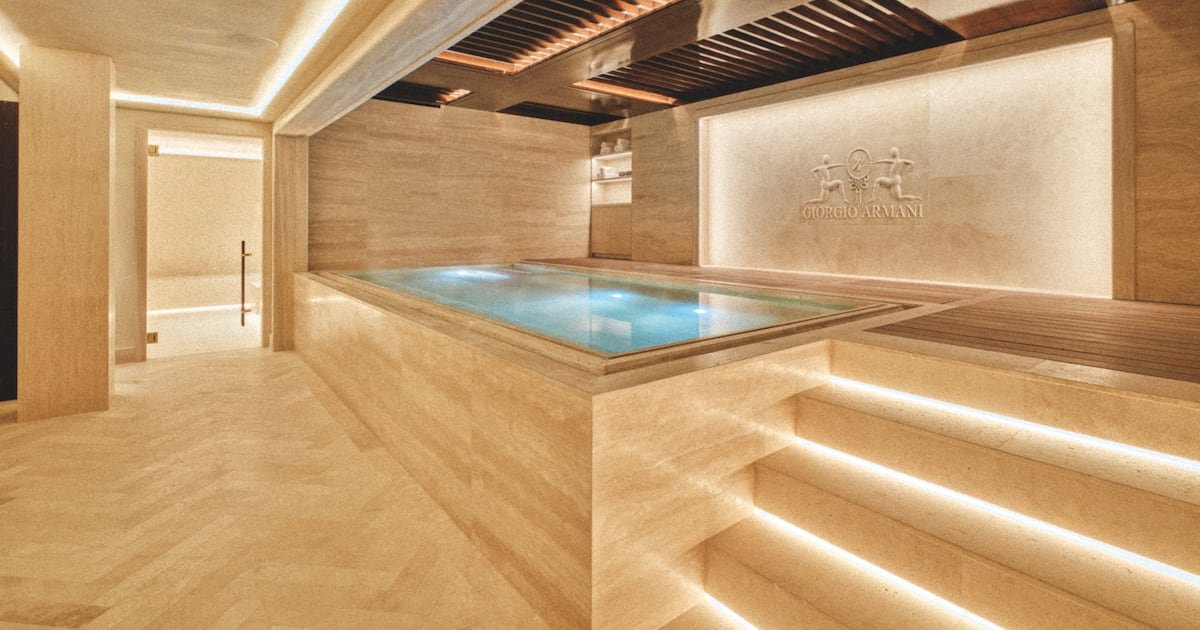
The wellness market is surging as wellbeing becomes central to how consumers spend their time, money and engage with brands. This is not a passing trend, but an enduring lifestyle shift, with the wellness market growing 6 percent annually from 2019 to date and forecast to continue growing at 5 to 6 percent per year through 2028. It is reshaping consumers’ spending across categories, from what they eat (around half of consumers and two-thirds of Gen Z and Millennials purchased functional-Enters Fashion Wellbeing
