


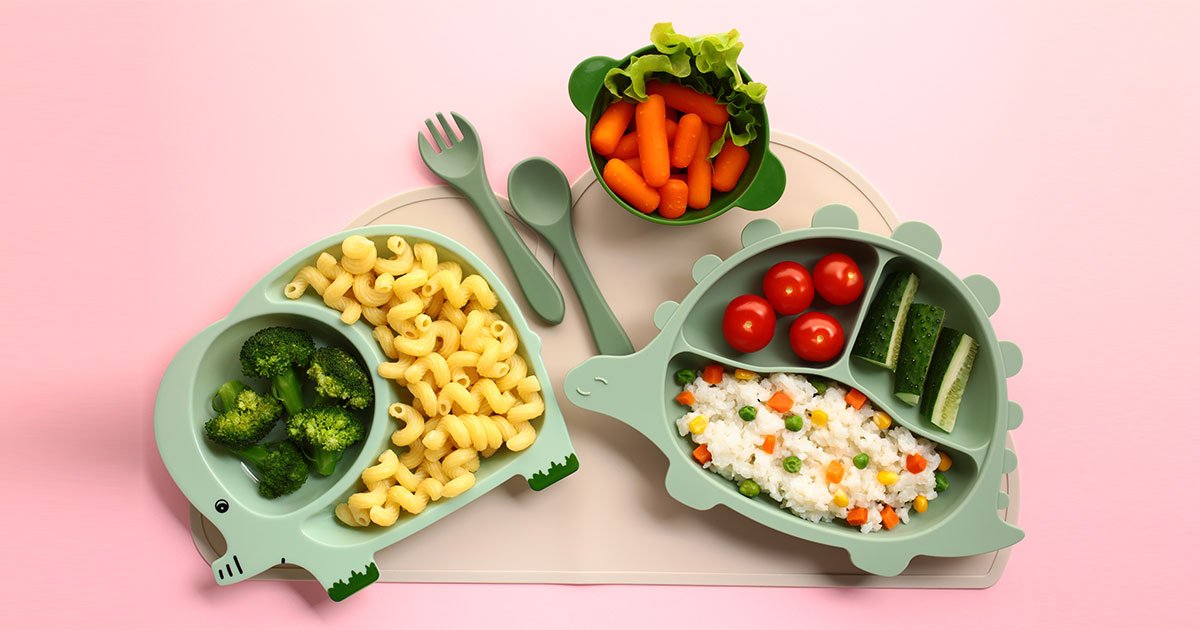
Dr. Ihuoma Eneli, a professor of pediatrics at the University of Colorado, explains how early-life nutrition shapes long-term health and what sustainable family eating looks like
Estimated reading time:5minutes
How does nutrition early in life influence weight and health later in life?
It would not be an exaggeration to state that what happens during the fetal period builds the scaffolding for health outcomes later in life. Nutrition in the first 1,000 days (from conception to age 2) influences future weight and health outcomes. Gestational children and teens build their relationship with food. Being a role model is key; children mimic their parents. If you, as the adult in the home, don’t eat vegetables, it becomes difficult to enforce eating vegetables. “Do as I say and not as I do” doesn’t work well for children.
In clinic, we focus on teaching parents to provide structured meal and snack patterns; offer balanced meals that include the right proportions of protein, starch, fat, dairy, fruits, and vegetables; avoid drinking calories, such as by limiting sugary beverages; and avoid excessively restrictive feeding behaviors. Limiting where food is eaten in the home and eating as a family whenever possible has many benefits, especially for adolescents. Having children contribute to planning or making meals can help diversify food choices and create long-lasting, pleasant childhood memories.
What do parents — and adults in general — most often misunderstand about nutrition and obesity?
There are so many examples. People tend to focus on a particular macronutrient instead of the balance of all macronutrients. Protein is the current flavor of the month, and everyone is focused on getting more and more protein in their diet. Yet studies show that most children and adults in the United States already get adequate daily protein. Fat and carbs are not villains. Fat helps with satiety. There is also a perception that only fresh foods are best, but that isn’t necessarily true. We talk about organic foods being healthy as if they have no calories. Organic olive oil has the same calories as nonorganic olive oil.
When we think about nutrition, we focus a lot on the content of our meals and snacks, but our pattern of eating is also very important. Grazing throughout the day is a good way to disconnect from hunger and satiety cues, pick up extra calories, and typically select non-nutritious food options.
With obesity, the most common misconception is that it is all about willpower and personal responsibility. That is not true. Obesity is a chronic disease with a complex etiology that involves our genes, biology, and environment. Only within those contexts can we have agency to make choices.
How should we think about nutrition as obesity medications become more common for both adolescents and adults?
Obesity medications are intended to be an adjunct to lifestyle and behavioral treatment, not the other way around. What may change somewhat is the emphasis on how and what we eat. For example, skipping meals is not negotiable while taking these medications. Adolescents need adequate nutrition and sufficient calories to support ongoing growth, development, and overall health.
We are also still learning about the effects of these medications, such as concerns about body image and eating disorders. So, any adolescent on obesity medication needs close follow-up with an experienced medical provider, and I strongly recommend including a registered dietitian as part of the care team.
What does a realistic, sustainable approach to healthy eating look like for families today?
It is a balance between affordability and preferences, trying as much as possible to have structured times for meals and snacks, and having a fair handle on basic, evidence-based nutrition knowledge. It’s also important to try to limit where food (any food) can be eaten in the home. This one approach really helps young children.
To be sustainable, food should be tasty, and eating should be enjoyable. Being open to trying new foods; incorporating fresh, canned, and smoked foods; and offering a balanced plate at both meals and snack times are key components of healthy eating. For young children, I often teach parents to say, “Let’s add some color to our plate,” or “Where is the color on your plate?” rather than harping on the words “fruits” and “vegetables” or how healthy they are.
A dab of butter with herbs on vegetables can make a world of difference in introducing a new food. For my children, it was a thin ribbon of honey on roasted Brussels sprouts that did the trick when they were younger. Now they love Brussels sprouts any way they’re made, including just plain with salt and black pepper. Finally, limiting ultra-processed foods and not drinking your calories really go a long way toward a healthy diet.
