


A healthy diet has many benefits. It can prevent health conditions like heart disease and cancer, and it can lower your cholesterol. It can give you more energy, help you focus, and improve your mood. It can also help you lose weight or stay at a healthy weight.
Path to Improved Health
What you eat and drink matters. Everyone has different calorie needs. This is based on our age, sex, activity level, and health conditions. It is important to pick foods and drinks that you like and that are high in nutrients. Your choices should also match your personal preferences, cultural traditions, and budget. If you have trouble getting healthy food for any reason, please talk to your family doctor. You can also search the Neighborhood Navigator (
<img src=” https: alt=””>
Instead of this:
Try this:
Regular or fried vegetables served with cream, cheese, or butter
Raw, steamed, boiled, sautéed, or baked vegetables tossed with olive oil, salt, and pepper, or with onions, garlic, or spices (like cumin)
Fruits served with cream cheese or sugary sauces
Fresh fruit with peanut, almond, or cashew butter or plain yogurt
Fried potatoes, including french fries, hash browns, and potato chips
Baked sweet potatoes or switch with vegetables instead
Grains
Choose products that list whole grains as the first ingredient. Whole grains are high in fiber, protein, and vitamins. They are digested slowly, helping you feel full longer and keeping you from overeating. Avoid products that are labeled “enriched.”
Hot cereals like oatmeal are usually low in saturated fat. However, instant cereals with cream may contain processed oils and can be high in sugar. Granola cereals usually contain a lot of sugar. Most cold cereals are made with refined grains and are high in sugar. Look for whole grain, low-sugar options instead.
Try not to eat rich sweets, such as doughnuts, rolls, and muffins. Have fruit or a piece of dark chocolate instead to satisfy your sweet tooth.
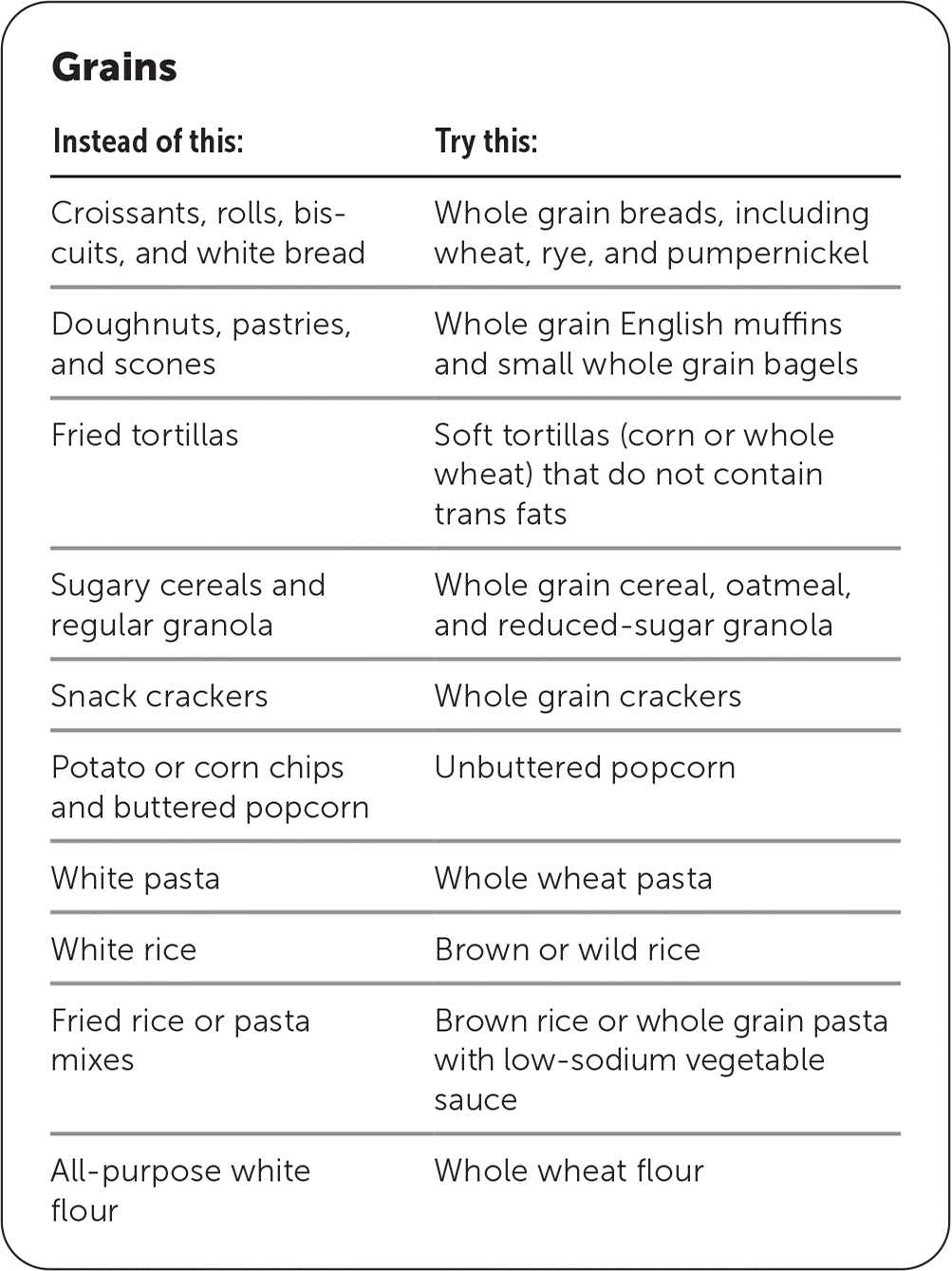
Instead of this:
Try this:
Croissants, rolls, biscuits, and white bread
Whole grain breads, including wheat, rye, and pumpernickel
Doughnuts, pastries, and scones
Whole grain English muffins and small whole grain bagels
Fried tortillas
Soft tortillas (corn or whole wheat) that do not contain trans fats
Sugary cereals and regular granola
Whole grain cereal, oatmeal, and reduced-sugar granola
Snack crackers
Whole grain crackers
Potato or corn chips and buttered popcorn
Unbuttered popcorn
White pasta
Whole wheat pasta
White rice
Brown or wild rice
Fried rice or pasta mixes
Brown rice or whole grain pasta with low-sodium vegetable sauce
All-purpose white flour
Whole wheat flour
Protein
Protein can come from animal and vegetabletend to have more health problems that can lead to illness and early death
It is healthier to get most of your daily protein from plants and lean animal are higher in fat. If you eat these, choose leaner cuts
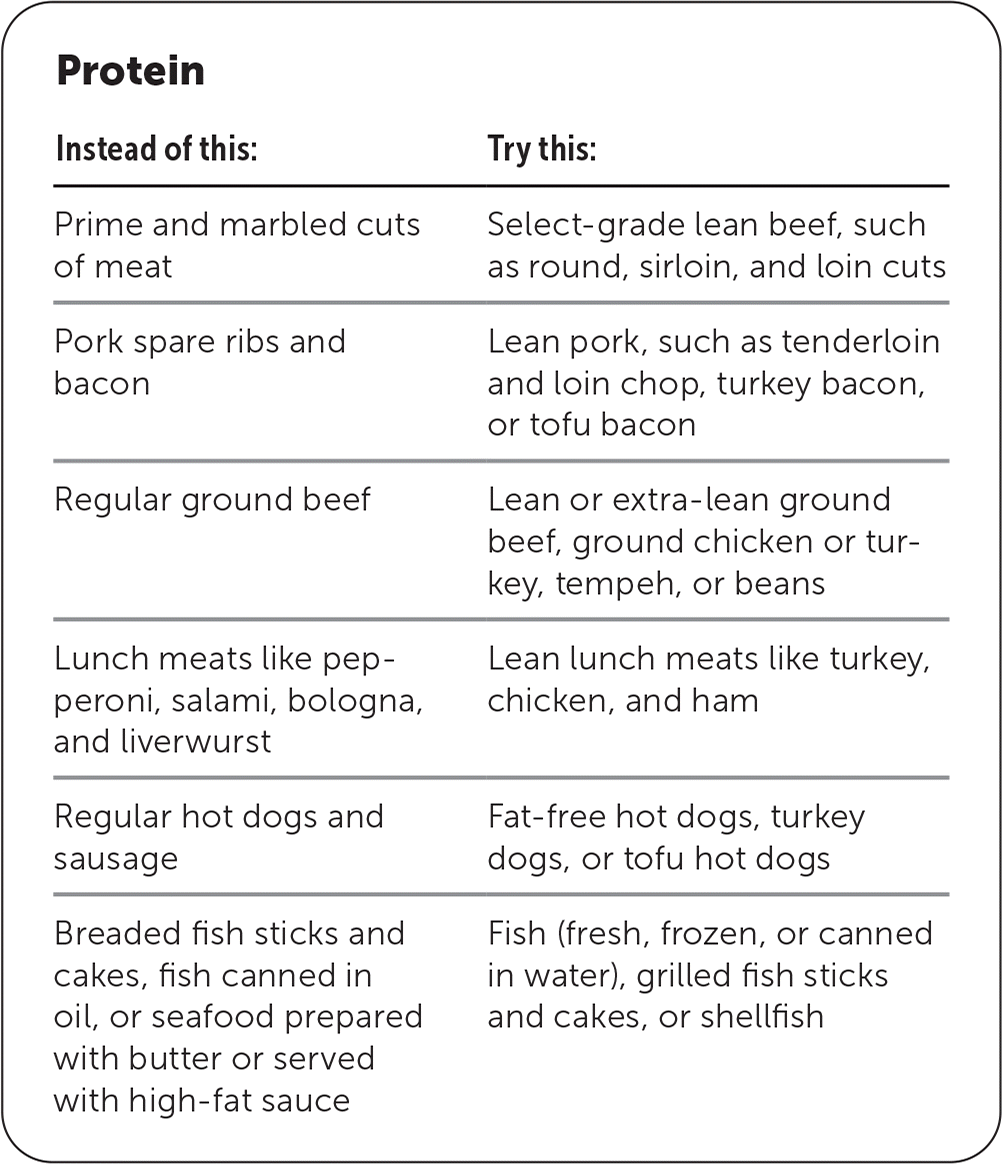
Instead of this:
Try this:
Prime and marbled cuts of meat
Select-grade lean beef, such as round, sirloin, and loin cuts
Pork spare ribs and bacon
Lean pork, such as tenderloin and loin chop, turkey bacon, or tofu bacon
Regular ground beef
Lean or extra-lean ground beef, ground chicken or turkey, tempeh, or beans
Lunch meats like pepperoni, salami, bologna, and liverwurst
Lean lunch meats like turkey, chicken, and ham
Regular hot dogs and sausage
Fat-free hot dogs, turkey dogs, or tofu hot dogs
Breaded fish sticks and cakes, fish canned in oil, or seafood prepared with butter or served with high-fat sauce
Fish (fresh, frozen, or canned in water), grilled fish sticks and cakes, or shellfish
You can get a lot of protein from plant, especially when you eat them with foods from other groups that also have some protein (like seeds, nuts, and whole grains). You can also swap beans or other plant-based proteins for meat in recipes like lasagna or chili
Beef, Pork, Veal, and Lamb
Lean beef and veal cuts have the words “loin” or “round” in their names. Lean pork cuts have the words “loin” or “chop” in their names. When you do eat these proteins, choose cuts such as sirloin, tenderloin, top round, and eye of round. Trim off the outside fat before cooking the meat. Trim any inside fat before eating it. Use herbs, spices, and low-salt marinades to season meat.
Baking, broiling, grilling, and roasting are the healthiest ways to cook meats. Lean cuts can be panbroiled or stir-fried. Use a nonstick pan, canola oil, or olive oil instead of butter or margarine. Don’t serve meat with high-fat sauces or gravy.
Poultry
Chicken and turkey breasts are a good choice because they are low in fat and high in protein. Only eat duck and goose once in a while, because they are higher in saturated fat. Remove skin and visible fat before cooking. Baking, broiling, grilling, and roasting are the healthiest ways to cook poultry. Skinless poultry can be panbroiled or stir-fried. Use a nonstick pan, canola oil, or olive oil instead of butter or margarine.
Seafood
Most seafood is high in healthy polyunsaturated fats. Healthy omega-3 fatty acids are also found in some fish, such as salmon and cold-water trout. If good-quality fresh fish isn’t available, buy frozen fish. To prepare fish, you should poach, steam, bake, broil, or grill it.
Dairy
Choose low-fat, skim, or nondairy milk, such as oat, soy, rice, almond, or cashew milk. Try low-fat or part-skim cheeses and dairy products, or choose smaller portions of foods that are high in saturated fat.
Yogurt can replace sour cream in many recipes. It is important to pick yogurt without added sugar.
Try mixing yogurt with fruit for dessert. Sorbet and frozen yogurt are lower in fat than ice cream.
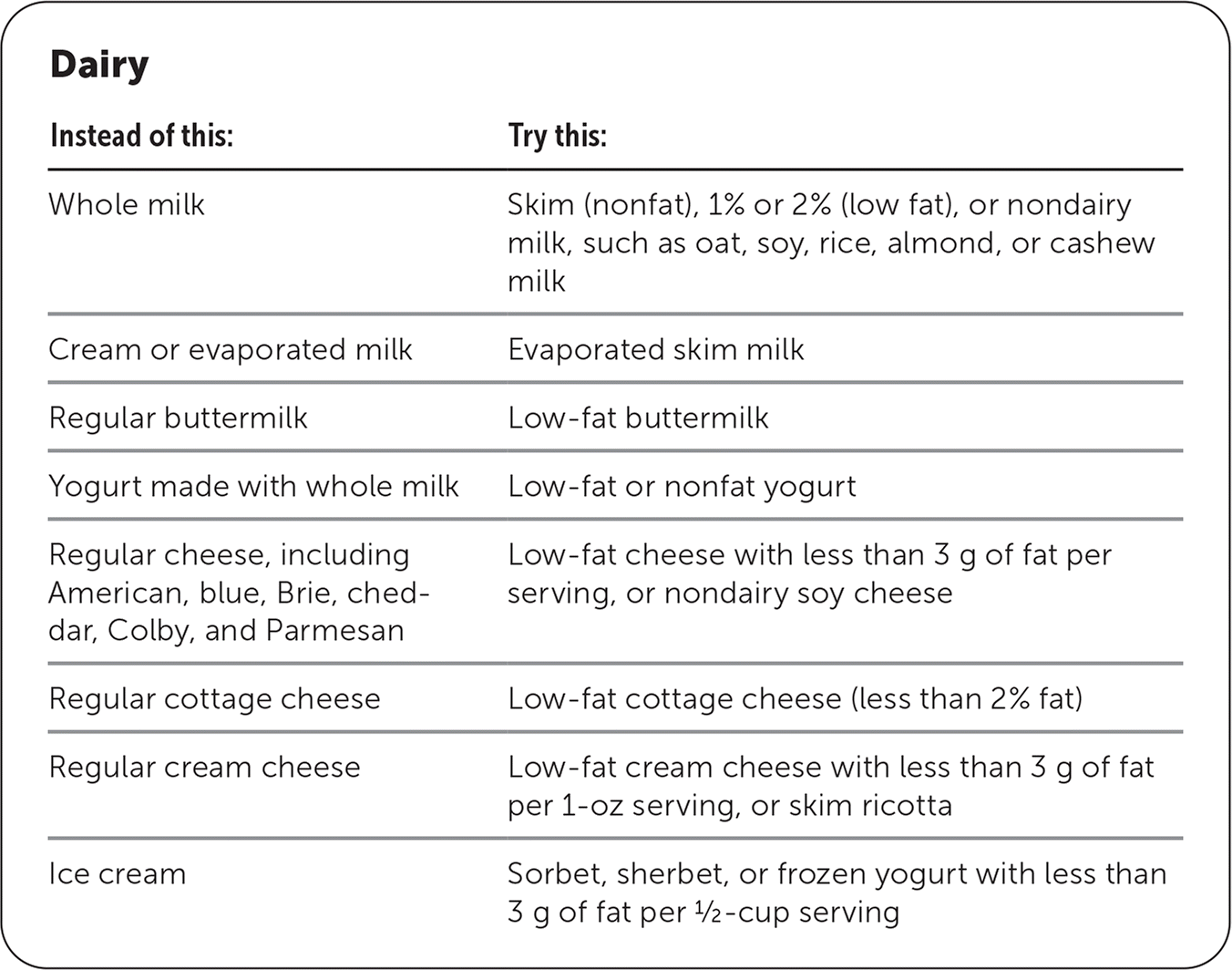
Instead of this:
Try this:
Whole milk
Skim (nonfat), 1% or 2% (low fat), or nondairy milk, such as oat, soy, rice, almond, or cashew milk
Cream or evaporated milk
Evaporated skim milk
Regular buttermilk
Low-fat buttermilk
Yogurt made with whole milk
Low-fat or nonfat yogurt
Regular cheese, including American, blue, Brie, cheddar, Colby, and Parmesan
Low-fat cheese with less than 3 g of fat per serving, or nondairy soy cheese
Regular cottage cheese
Low-fat cottage cheese (less than 2% fat)
Regular cream cheese
Low-fat cream cheese with less than 3 g of fat per 1-oz serving, or skim ricotta
Ice cream
Sorbet, sherbet, or frozen yogurt with less than 3 g of fat per ½-cup serving
Fats and Oils
Don’t be afraid to eat fats and oils. We need unsaturated and saturated fats, but most Americans get too much saturated fat. Try to limit saturated and trans fats. Heart disease, diabetes, some cancers, and arthritis have been linked to diets high in saturated fat, particularly saturated fats from animal products.
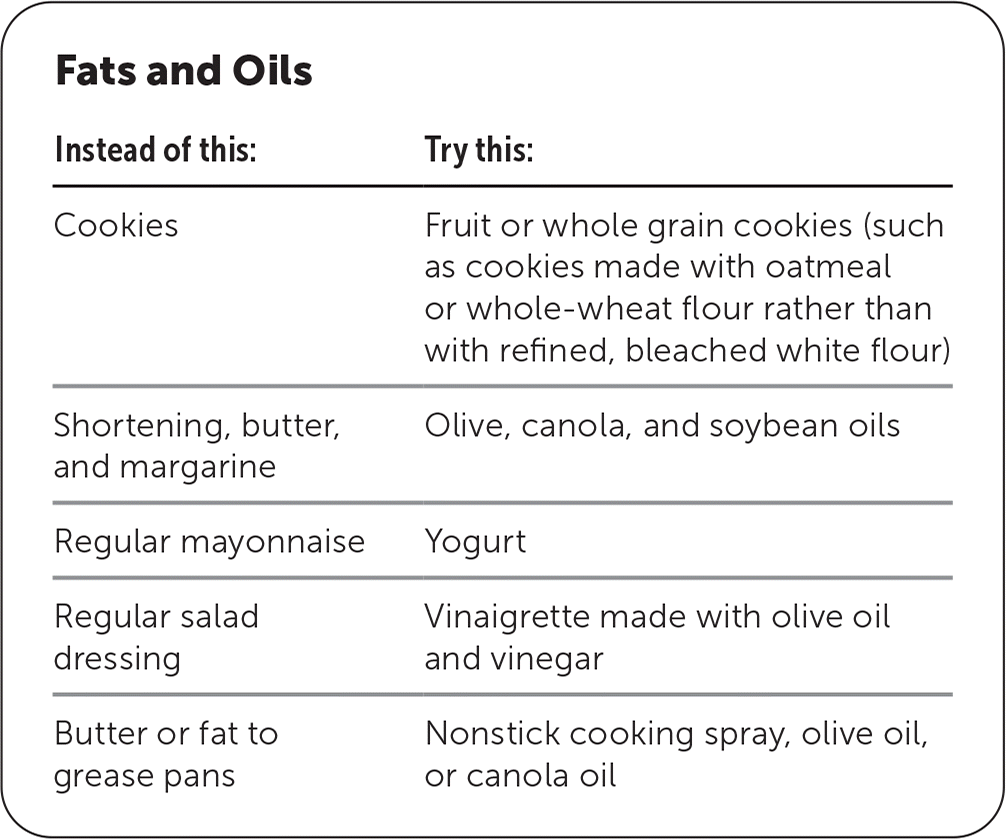
Instead of this:
Try this:
Cookies
Fruit or whole grain cookies (such as cookies made with oatmeal or whole-wheat flour rather than with refined, bleached white flour)
Shortening, butter, and margarine
Olive, canola, and soybean oils
Regular mayonnaise
Yogurt
Regular salad dressing
Vinaigrette made with olive oil and vinegar
Butter or fat to grease pans
Nonstick cooking spray, olive oil, or canola oil
Drinks
It is important to stay hydrated. However, sugary drinks are not healthy. These include fruit juices, soda, sports and energy drinks, sweetened or flavored milk, and sweet tea. Artificial sweeteners may also be bad for your health. Drink mostly water or other unsweetened drinks. Avoiding alcohol completely is best for your health. But, if you do drink alcohol, women should have no more than one drink per day, and men should have no more than two drinks per day. One standard drink is 12 oz of beer, 5 oz of wine, or 1.5 oz of liquor.
- How many servings should I eat from each food group?
- If I’m on a strict diet, like vegetarian or vegan, how can I make healthy food choices?
More Information
- U.S. Department of Agriculture, My Plate
