

March 30, 2021
Share
Print This Page
Plant-based diets can help reduce your risk of heart disease, but they’re not all created equal.
It’s clear that following a plant-based diet is associated with a lower risk of heart disease. But do all plant-based diets have the same effect? And do you really have to cut out all meat for your heart’s sake?
“For <a s possible to benefit by reducing your consumption of animal foods without completely eliminating them from your diet," says Dr. Ambika Satija of the Department of Nutrition at the Harvard T.H. Chan School of Public Health.
Make good choices
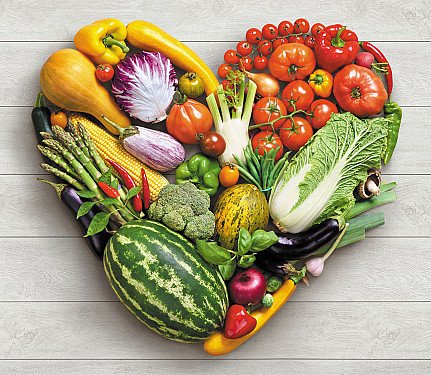
There are many types of plant-based diets, but they all emphasize certain foods associated with heart benefits, such as whole grains, fruits, vegetables, legumes, nuts, and healthy oils like olive oil. The diets that have been most studied for their impact on heart health include the Mediterranean diet, the DASH diet, and the MIND diet. These diets are rich in fiber, vitamins, and minerals that help lower blood pressure and LDL (bad) cholesterol, reduce the risk of diabetes, and help maintain a healthy weight, all of which can lower your risk of heart disease.
Yet, the types of plant foods and theird are plant-based foods, so you would think they’re good to eat. But they are highly processed, and so are depleted of many heart-healthy nutrients and have a high glycemic index, which means they can make blood sugar levels spike and increase hunger, leading to overeating
Drinking 100% fruit juice is not the same as eating the whole fruit, since juices can be high in sugar and squeeze out valuable fiber and vitamins. And many canned plant foods include extra additives, sodium, and sugar.
The look of a plant-based meal
A healthy plant-based meal should consist of proper portions of vegetables, fruits, whole grains, healthy protein, and healthy oils. What does this look like? The Harvard Health Eating Plate is a helpful visual guide created by nutrition experts at Harvard School of Public Health and editors at Harvard Health Publishing.
The meat of plant diets
The other question deals with a man’s appetite for animal products. When it comes to your heart, are all animal foods off the table? Maybe not — if you’re smart about your choices.
Dr. Satija led a study, published in the July 25, 2017, Journal of the American College of Cardiology, that examined the dietary data of about 209,000 adults (43,000 of whom were men) over two decades. The researchers compared the heart disease risk posed by these three categories of plant-based diets:
an overall plant-based diet that emphasized consumption of all healthy plant foods while reducing intake of all animal foods, like dairy (skim, low-fat, and whole milk; cream, ice cream, yogurt, and cheese), eggs, fish, meat (chicken, turkey, beef, and pork), and foods that contain animal products like pizza, soups, and mayonnaise
a healthful plant-based diet that emphasized consumption of only healthy plant foods, such as whole grains, fruits, vegetables, nuts, legumes, and healthy oils, while reducing intake of less healthy plant foods as well as animal foods
an unhealthful plant-based diet that emphasized consumption of less healthy plant foods, such as fruit juices, refined grains (pasta, white rice, and processed breads and cereals), potatoes (French fries and potato chips), and sugar-sweetened beverages, while reducing the intake of healthy plant foods as well as animal foods.
No surprise, they found that the people who followed the healthy plant-based diet (the second group) had the lowest risk for heart disease. They were also more active and leaner. On the other hand, those who followed the unhealthful plant-based diet (the third group) had a substantially higher risk for heart disease.
Thus, the study found that reducing animal foods doesn’t necessarily lead to a <a t look at which animal foods, especially meat, could have an impact on heart health, other research has shown that, as with plant foods, the type and amount matter most.
For instance, a study in the January 2017 American Journal of Clinical Nutrition found that eating 3 ounces of unprocessed red meat, three times per week, did not worsen blood pressure and total cholesterol levels.
However, a 2014 study from the American Heart Association showed that men ages 45 to 79 who ate 75 grams or more per day of processed red meat, like cold cuts, sausage, bacon, and hot dogs, had a 28% higher risk of heart failure compared with men who ate less than 25 grams.
Protect your arteries: Eat a high-energy breakfast
Need another reason to begin your day with a hearty, healthy breakfast? Doing so may lower your risk for atherosclerosis, the hardening and narrowing of the arteries caused by plaque buildup, says a study in the Oct. 10, 2017, Journal of the American College of Cardiology.
More than 4,000 adults who were free from cardiovascular disease or chronic kidney disease were classed into three groups: those who consumed less than 5% of their total energy intake in the morning (they either skipped breakfast or had only coffee or juice); those who consumed more than 20% (high-energy-breakfast consumers who ate complete meals with more whole grains and fruit); and those who consumed between 5% and 20% (low-energy-breakfast consumers who had meals like toast or pastries and coffee).
About 28% ate a high-energy breakfast, while almost 70% had a low-energy breakfast, and 3% skipped breakfast. Breakfast skippers were between 1.5 to 2.5 times more likely to have atherosclerosis compared with high-energy breakfast eaters, while low-energy breakfast eaters were about 1.15 times more likely.
Making the change
What is the right plant-based diet for you? You don’t need to go full vegetarian or vegan (<a t need to be daunting either. "For many men, this may be a matter of switching out their current foods," says Dr. Satija. For instance, replace white rice with brown rice or other whole grains, and white bread with whole-grain bread. Choose oatmeal instead of processed cereal, and water instead of juice drinks.
If embracing a full plant-based diet feels intimidating, then begin small. “A moderate change in your diet, such as lowering your animal food intake by one to two servings per day and replacing it with legumes or nuts as your proteinr. Satija
Disclaimer:
As a service to our readers, Harvard Health Publishing provides access to our library of archived content. Please note the date of last review or update on all articles.
No content on this site, regardless of date, should ever be used as a substitute for direct medical advice from your doctor or other qualified clinician.
