


October 20, 2026
ByJoyce Hendley,
Staff Writer
- Reviewed byNancy Oliveira, MS, RD, LDN, CDCES,
Contributor; Editorial Advisory Board Member, Harvard Health Publishing
Perhaps you’ve spotted it in the refrigerator case near the tofu. Or maybe you’ve seen it on a restaurant menu, topping a grain bowl or a vegan Reuben. That’s tempeh (pronounced TEM-pay), a traditional staple in Indonesia for centuries, but not widely known in the United States. Nonetheless, it has won many American hearts — including that of dietitian Nancy Oliveira, manager of the Wellness Service at Harvard-affiliated Brigham and Women’s Hospital. “I love tempeh!” she exclaims. “It’s an excellent plant-based protein, and there’s so much you can do with it.” Here, some tips.
What is tempeh, and how is it made?
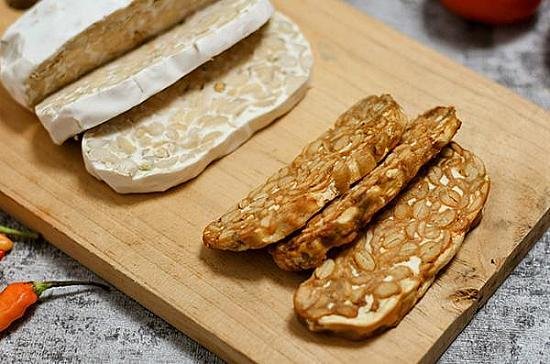
Tempeh is a fermented soybean cake, made from whole, boiled soybeans that are mixed with a starter culture and left to ferment, usually for two to three days. During that time, the cake develops a firm texture that comes from a fine, velvety white fermentation culture (called mycelium) that binds the beans into a firm, sliceable block.
Tempeh has a dense, chewy, almost meaty texture and an earthy, nutty flavor with a hint of savory umami. It can taste slightly bitter straight from the package (and is perfectly safe to eat) but mellows once cooked.
Some tempeh is made from other legumes or grains, such as chickpeas, lentils, rice, or barley. But plain soybean tempeh, sometimes with rice or other grains added, is the type most found in American stores.
What are the nutritional benefits of tempeh?
Tempeh lives up to its reputation as a protein powerhouse: a half-cup serving supplies roughly 18 grams of the nutrient (for comparison, a 3-ounce chicken breast has 24 grams). It’s also a complete protein, supplying all nine essential amino acids. It’s low in saturated fat and provides a little iron and calcium. More tempeh benefits: because it’s made from whole soybeans, rather than from soy milk like tofu is, it offers more than double the fiber and protein (see “Tempeh vs. tofu”).
As a fermented food, tempeh might seem like a natural friend to the “good” bacteria in your gut. But most mainstream brands are pasteurized, which can kill the beneficial bacteria. Tempeh may contain live cultures only if it is unpasteurized and not heat-treated, but this is less commonly sold — “so don’t count on tempeh as a probiotic food,” says Oliveira. However, she notes, the fermentation process breaks down the tempeh proteins and starches, boosting its digestibility: “It can even be used in a low-FODMAP diet.” (Low-FODMAP diets, which restrict fermentable carbohydrates, are sometimes prescribed for people with irritable bowel syndrome or other digestive problems.)
Tempeh vs. tofu
These two soy foods are often lumped together, but each has its own healthful nutritional profile. Here’s a quick summary.
Tempeh vs. tofu
Nutrients per 1/2-cup serving
Plain tempeh
Firm tofu (prepared with calcium sulfate)
How can you prepare and use tempeh?
In the supermarket, tempeh might come plain, marinated, pre-crumbled, fried, or even sliced into smoky tempeh “bacon.” Choosing plain tempeh gives you the most control over salt and sugar. If you buy flavored or fried varieties, compare labels and choose the one with the least sodium. Vegans looking for vitamin B12 should check the nutrition label to find a brand that’s been fortified with the nutrient, says Oliveira. While tempeh is often touted as a natural B12 source, “the vitamin is actually produced by the microbes it’s fermented with — and those can vary, depending on how it’s made,” she explains.
Once opened, tempeh will last about a week in the refrigerator. A pinkish color, an ammonia smell, or a slimy texture suggests it’s spoiling.
If you’re wondering how to cook tempeh, consider it a blank slate. It absorbs flavors well, especially after marinating, and takes to just about any seasoning, from teriyaki glaze to a barbecue rub. Oliveira suggests dry heat methods (such as roasting, frying, air-frying, or grilling), which deliver a crispy-chewy texture. Start with these easy tempeh recipes.
Sandwiches or wraps. Air-fry or pan-fry thin slices until crisp and layer them into a sandwich or wrap with flavorful vegetables (say, tomatoes, onions, and pickles). For extra flavor, marinate the slices first (try low-sodium soy sauce with a touch of honey and rice vinegar, ground ginger, and garlic powder).
Stir-fries, salads, and tacos. Brown bite-sized cubes in a lightly oiled skillet until crisp. Then toss them into a stir-fry, scatter over a salad for crunch, or tuck into a taco.
Tempeh-fied burgers. Crumble tempeh with your fingers, a box grater, or a food processor (or use store-bought tempeh crumbles); mix the crumbles half-and-half with ground turkey. Shape into burgers and grill.
About the Author
Joyce Hendley is a staff writer who contributes articles to Harvard Health Publishing’s flagship website and its four newsletters: the Harvard Health Letter, Harvard Heart Letter, Harvard Women’s Health Watch, and Harvard Men’s Health Watch. She …
See Full Bio
View all posts by Joyce Hendley
About the Reviewer
Nancy Oliveira, MS, RD, LDN, CDCES,
Contributor; Editorial Advisory Board Member, Harvard Health Publishing
Nancy Oliveira is a registered dietitian and certified diabetes educator. She received a master of science in nutrition communications from Tufts University, and completed her clinical nutrition internship at Beth Israel Deaconess Medical Center. Currently she …
See Full Bio
View all posts by Nancy Oliveira, MS, RD, LDN, CDCES
Share
Print This Page
Disclaimer:
As a service to our readers, Harvard Health Publishing provides access to our library of archived content. Please note the date of last review or update on all articles.
No content on this site, regardless of date, should ever be used as a substitute for direct medical advice from your doctor or other qualified clinician.
