

Advertisement
Visual Report
WHO’s new guidance emphasises supportive, age-appropriate care combining nutrition, physical activity and behavioural support.
NationPath Visual Report
Share
NationPath Brief
Essential context before you continue reading
The World Health Organization has released its first global guidelines for managing obesity in children and adolescents. The recommendations emphasise structured nutrition, physical activity and behavioural support, with medical treatment considered according to age and clinical need.
Editorial Brief• Quick summary curated for readers
Childhood overweight and obesity have become major public health concerns worldwide. WHO data show that the proportion of children and adolescents aged 5–19 living with obesity increased from 2% in 1990 to 8% in 2024.
The new guidance forms part of a broader effort to improve obesity prevention and treatment across the life course. It addresses the need for early identification, tailored support and long-term care while recognising that children’s health is influenced by biological, family, social and environmental factors.
WHO issued its first global guidelines for managing obesity in children and adolescents on October 7, 2026.
Around 170 million people aged 5–19 were living with obesity in 2024
The guidance prioritises structured nutrition, physical activity and behavioural support.
Treatment recommendations differ by age; medicines are not recommended for obesity in children aged 0–9 under this guidance.
Adolescents may be considered for approved medicines in selected cases following supervised lifestyle interventions.
Supportive family routines and protection from weight-related bullying are important parts of care.
The World Health Organization (WHO) has issued its first global guidelines for managing obesity in children and adolescents, calling for age-appropriate care that combines <a s physical and mental wellbeing while discouraging unsafe or unsupervised weight-loss approaches.
According to WHO estimates, approximately 170 million children and adolescents aged 5–19 were living with obesity in 2024. This included around 70 million children aged 5–9 and 100 million adolescents aged 10–19. The prevalence of obesity in this age group rose from 2% in 1990 to 8% in 2024.
The organisation also reported that about 400 million people aged 5–19 were overweight in 2024, including those living with obesity. Overweight and obesity are related but distinct classifications, and the figures should not be treated as interchangeable.
What Do the New Guidelines Recommend?
Why This Matters
For parents: The guidance <a s circumstances.
The guidance recognises that childhood obesity is influenced by several interacting factors, including biological susceptibility, family and social environments, food availability, physical activity opportunities and broader living conditions. It is therefore not appropriate to treat a child’s weight as simply a matter of willpower.
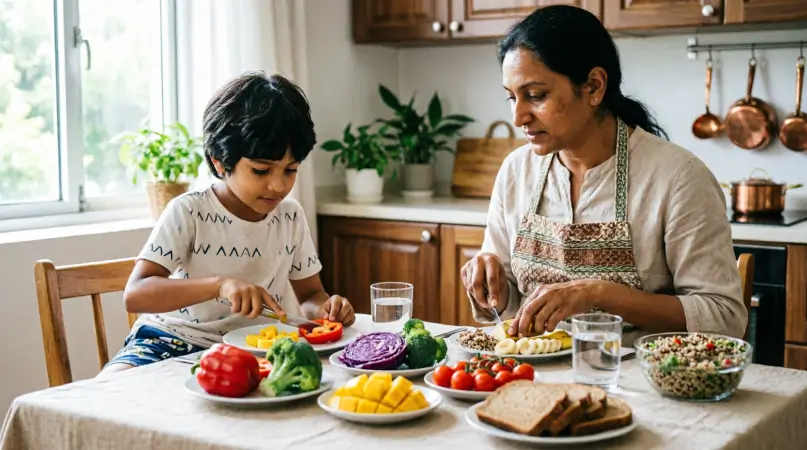
Parents and caregivers can support healthy routines by making nutritious meals accessible, encouraging enjoyable physical activity and helping children establish consistent sleep habits. These measures should focus on overall health and development rather than punishment or pressure to lose weight.
Are Weight-Loss Medicines Recommended for Children?
The recommendations distinguish between younger children and adolescents.
For children aged 0–9 years, WHO does not recommend pharmacological treatment, bariatric surgery or weight-management devices as treatments for obesity under the new guidance. Instead, the emphasis is on structured nutrition, physical activity and behavioural interventions.
For adolescents aged 10–19 years, approved medicines may be considered in selected cases when a supervised, comprehensive lifestyle programme has not achieved the desired results. Any such decision requires qualified clinical assessment and appropriate monitoring. Surgery is also limited to carefully selected adolescents with severe obesity under strict conditions.
These recommendations concern the management of obesity. They should not be interpreted as instructions to stop or change medicines prescribed for other medical conditions. Parents should discuss treatment decisions with a qualified healthcare professional.
Why Diet, Movement and Behaviour Matter
A child’s daily routine can be shaped by the food available at home and school, opportunities to play or exercise, time spent sitting and sleeping patterns. These factors can influence health over time, but individual circumstances differ.
Families can begin with practical steps: offer a variety of nutritious foods, make water readily available, encourage active play suited to the child’s age and abilities, and establish regular sleep routines. Changes are more likely to be sustainable when adults participate and the household environment supports them.
There is no single diet or activity plan suitable for every child. Children have different growth patterns, nutritional needs and medical circumstances. Restrictive diets, weight-loss supplements or unsupervised medicines should not be used as shortcuts.
Protecting Children’s Mental Health
WHO’s guidance also stresses the importance of addressing mental health alongside obesity. Children who experience weight-related teasing, discrimination or bullying may face emotional and social difficulties in addition to physical health concerns.
Parents, teachers and caregivers should avoid shaming children about their appearance or using humiliating language about body weight. <a s growth pattern needs assessment and what support is appropriate. A child's weight alone does not provide a complete picture of health.
Why the Problem Goes Beyond the Household
WHO says the growing prevalence of obesity cannot be addressed through treatment alone. Access to affordable nutritious food, safe places for physical activity, supportive schools and effective healthcare services also matters.
Schools and communities can help by supporting nutritious food choices, opportunities for movement and anti-bullying practices. Policymakers can contribute through measures affecting food environments, education, urban planning and access to healthcare.
The new guidelines provide a framework for care, but their impact will depend on how health systems and communities put the recommendations into practice.
What’s Next
The next step is implementation. Health authorities, healthcare professionals and community organisations will need to translate the recommendations into services that families can access and sustain.
Parents concerned about a child’s growth or weight should seek advice from a qualified healthcare professional rather than relying on online weight charts, restrictive diets or medicines without supervision. Appropriate care should take the child’s age, growth, overall health and individual circumstances into account.
Frequently Asked Questions
Clear answers to help readers understand the story better.
WHO released its first global guidelines for managing obesity in children and adolescents on October 7, 2026.
Advertisement

HealthContinue Reading16 Oct 2026
Health
Dengue Cases Cross 190 in Jammu and Kashmir’s Doda, ICMR-NIV Team Investigates Hotspots
Dengue cases have risen sharply in Doda district of Jammu and Kashmir, with more than 190 laboratory-confirmed cases requiring hospitalisation reported at Government Medical College Doda. The increase has prompted health authorities to seek scientific…
Wellness Intelligence
Discover lifestyle patterns and personalised wellness insights.
