


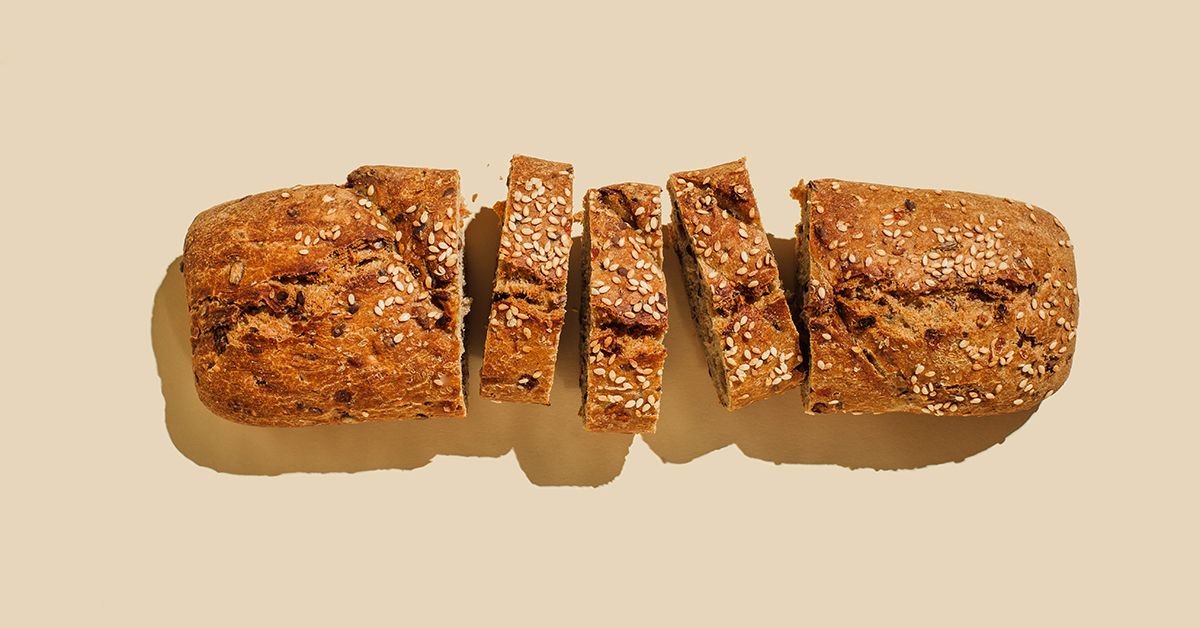
You can eat healthier by making a few swaps, such as choosing whole grains over refined grains and eating more protein.
A diet rich in fruits and vegetables has been scientifically proven to provide numerous health benefits, such as reducing your risk of several chronic diseases and strengthening your immune system.
Making major changes to your diet can sometimes seem very overwhelming. It may be more manageable to start with just one thing — like eating more of your favorite fruit — rather than all of them at once.
This article discusses 25 ways to make your usual diet slightly healthier over time.
Plating and pacing your meals
1. Eat from smaller plates
The size of your dinnerware how much you eat. Eating from a large plate can make your portion look smaller, while eating from a small plate can make it look bigger.
According to , eating from a smaller plate was… Show more
associated with increased feelings of satiety and reduced energy intake among participants with a moderate body weight.
Also, if you don’t realize you’re eating less than usual, you by eating more at the next meal. By eating from smaller dinnerware, you can trick your brain into thinking that you’re eating more, making yourself less likely to overeat.
2. Eat your greens first
A good way to ensure you eat your greens is to enjoy them as a starter.
may lead you to eat fewer calories overall, which could result in weight loss. Plus, eating vegetables before a carb-rich meal has been shown to benefit blood sugar levels.
It at which carbs are absorbed into the bloodstream and short- and long-term blood sugar control in people with lifestyle changes
22. Drink enough water
Drinking enough water is important for your health.
Many studies that drinking water can increase weight loss and promote . It may even the number of calories you burn daily.
that drinking water before meals can reduce your appetite and food intake during the following meal.
That said, the most important thing is to drink water instead of other beverages. This may drastically your intake of sugar and calories.
23. Take omega-3 and vitamin D supplements
Approximately around the globe are deficient in vitamin D.
Vitamin D is a fat-soluble vitamin that’s for bone health and the of your immune system. In fact, every cell in your body has a… Show more
receptor for vitamin D, indicating its importance.
Vitamin D is found in very few foods, but fatty seafood generally contains the highest amounts.
Omega-3 fatty acids are another commonly lacking nutrient that’s found in fatty seafood. These have many important bodily roles, reducing inflammation, maintaining heart health, and promoting proper brain function.
If you don’t eat fatty seafood regularly, you should consider taking a supplement. Omega-3s and vitamin D can often be found together in many supplements.
24. Become more active
Good nutrition and exercise often go hand in hand. Exercise has been shown to improve your mood, as well as decrease feelings of , , and .
These are the exact feelings that are most likely to contribute to … Show more
and .
Aside from strengthening your muscles and bones, exercise may help you:
- lose weight
Aim to do about 30 minutes of moderate to high intensity exercise each day, or take the stairs and take short walks whenever possible.
25. Get a good night’s sleep
The importance of good sleep can’t be overstated.
Sleep deprivation appetite regulation, often leading to increased appetite. This can result in increased calorie intake and weight gain.
In fact, people who sleep too little… Show more
significantly more than those who get enough sleep.
Being sleep-deprived also concentration, productivity, athletic performance, glucose metabolism, and immune function.
Moreover, it increases your risk of several diseases, including and .
That’s why it’s important to try to get adequate amounts of good-quality sleep, preferably in one bout.
The bottom line
Completely overhauling your diet or lifestyle all at once can be a recipe for disaster. Instead, try incorporating some of the changes listed above one or two at a time to gradually improve your diet.
Some of these tips will help you keep your portion sizes in check, while others will help you add nutrients or adapt to something new.
Together, these changes can add up to create a big impact on your overall health and well-being.
