

- Reviewed byHoward E. LeWine, MD,
Chief Medical Editor, Harvard Health Publishing; Editorial Advisory Board Member, Harvard Health Publishing
What’s the healthiest way to eat? It depends on who you ask. Many medical and <a perfect" way to eat for health, yet some of these dietary advocates disagree with each other in some fundamental ways. So, who's right … and who's wrong?
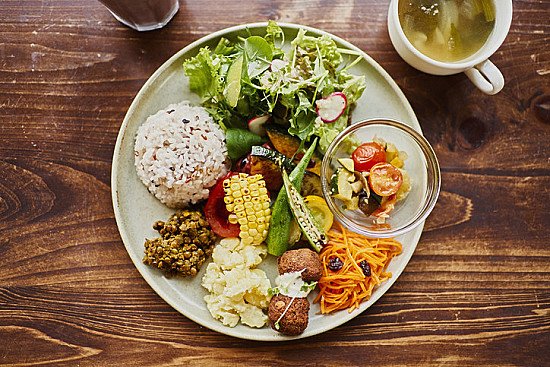
While details may vary from diet to diet, all <a plant chemicals," natural substances in plants that offer humans a range of health benefits, including antioxidant, anti-inflammatory, and even anticancer activity). At the same time that many plant foods are high in nutrients, they are relatively low in calories. The combination of high nutrient content and low calories – a quality known as nutrient density – means that a plant-heavy diet can be good for both health and weight loss. Because people often underestimate how large their portions of fruits and vegetables should be, Harvard nutritionists devised the Harvard Healthy Eating Plate to provide a graphic representation of a healthy dinner. Fully half the plate contains produce.
While everyone needs carbohydrates, fat, and protein, there is no magic ratio that you should be striving for, as long as you avoid extremes. To learn more about different diets from the experts at Harvard Medical School, check outThe Diet Review,a Special Health Report from Harvard Medical School.
About the Reviewer
Howard E. LeWine, MD,
Chief Medical Editor, Harvard Health Publishing; Editorial Advisory Board Member, Harvard Health Publishing
Dr. Howard LeWine is a practicing internist at Brigham and Women’s Hospital in Boston, Chief Medical Editor at Harvard Health Publishing, and editor in chief of Harvard Men’s Health Watch.
See Full Bio
View all posts by Howard E. LeWine, MD
Share
Print This Page
Disclaimer:
As a service to our readers, Harvard Health Publishing provides access to our library of archived content. Please note the date of last review or update on all articles.
No content on this site, regardless of date, should ever be used as a substitute for direct medical advice from your doctor or other qualified clinician.
